What is Video Translation Software and How Does it Work?

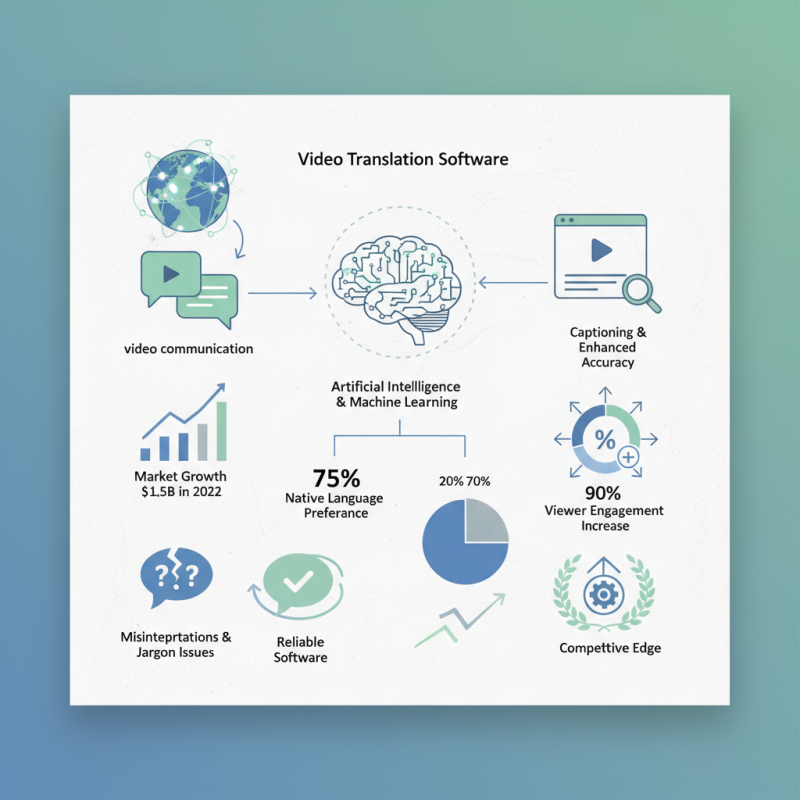
In today's globalized world, effective communication is essential. Video translation software plays a crucial role in breaking language barriers. According to a report by Common Sense Advisory, 75% of consumers prefer to watch videos in their native language. This statistic highlights the growing demand for accessible content.

The functionality of video translation software extends beyond simple captioning. It integrates artificial intelligence and machine learning to enhance translation accuracy. The global market for video translation services reached $1.5 billion in 2022, and it is projected to grow significantly. This trend underscores the importance of quality translation in video marketing and education.

However, not all video translation software delivers optimal results. Some tools struggle with technical jargon or cultural nuances, leading to misinterpretations. Evaluating the credibility and expertise of these tools is crucial. A report from the Localization Industry Standards Association indicates that high-quality translations can increase viewer engagement by 90%. As industries evolve, adopting reliable video translation software is vital for staying competitive.
What is Video Translation Software and How Does it Work?

What Is Video Translation Software? An Overview of Its Purpose and Use

What is Video Translation Software and How Does it Work?

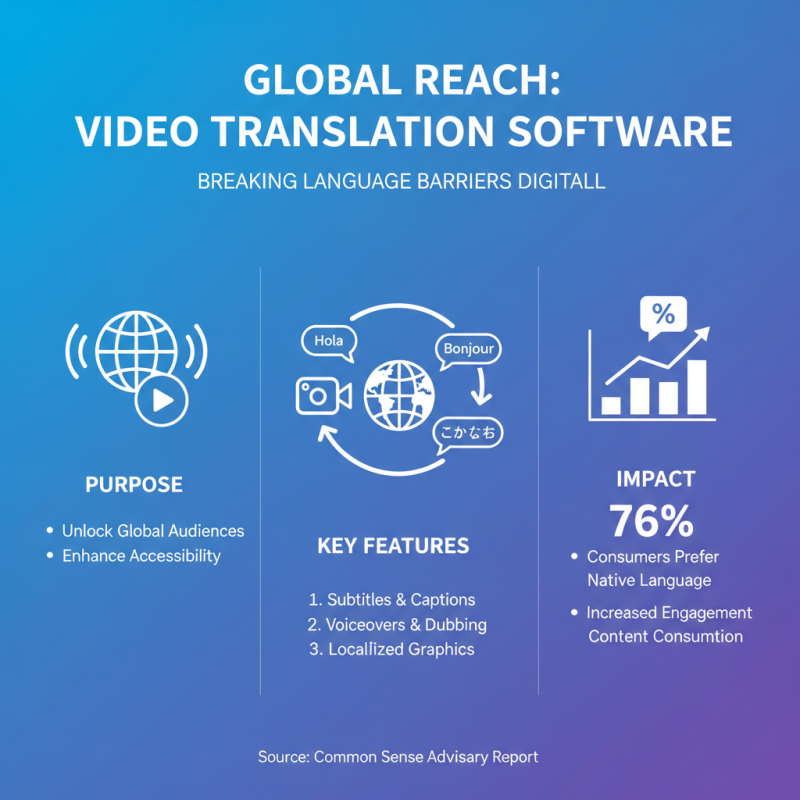
Video translation software plays a crucial role in breaking language barriers in the digital age. This technology enables creators to transform video content, making it accessible to a global audience. According to a report by Common Sense Advisory, 76% of consumers prefer to watch videos in their native language. With this software, subtitles, voiceovers, and even localized graphics can be integrated seamlessly into videos, enhancing viewer engagement and comprehension.

The functionality of video translation software typically involves automated transcription and translation processes. Advanced algorithms analyze spoken content and convert it into text, then translate it into various languages. However, accuracy can vary. A report from the Machine Translation Research Consortium indicated that while machine translation has improved, context and cultural nuances are often lost, requiring human oversight for quality assurance. There is always room for refinement, especially in industry-specific terminology.

Despite its benefits, challenges persist. The user interface may not always be intuitive, leading to usability issues for non-tech-savvy users. Furthermore, algorithms may struggle with accents or dialects, resulting in less accurate translations. Regular updates and user feedback are essential for creating a reliable solution. The demand for precise translations continues to grow, underscoring the need for ongoing improvements in this field.
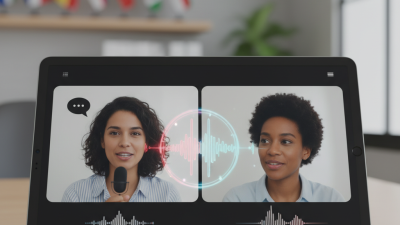

Key Features of Video Translation Software: What to Look For

When looking for video translation software, certain features stand out. First, accuracy in translation is crucial. An effective tool should manage nuances in different languages. Automated translations often miss context, leading to misinterpretations. Manual editing options are essential for achieving greater precision.

User-friendly interfaces contribute to better accessibility. A clear layout helps users navigate through the software. Look for tools that offer customizable features. This allows users to tailor the experience to fit specific needs. Support for multiple file formats is another key aspect. It provides flexibility in handling various types of media.

Additionally, integration capabilities are important. Software that works well with existing tools can enhance workflow efficiency. Consider the software’s ability to support subtitles and voiceovers. This dual functionality caters to diverse audience preferences. Regular updates and customer support can also reflect a reliable product. Without these, users may face unexpected issues during projects.

Types of Video Translation Methods: Human vs. Machine Translation

Video translation methods can be broadly categorized into human translation and machine translation. Human translators bring creativity and cultural understanding to the process. They can contextualize dialogues, ensuring the message resonates with the target audience. However, this approach may require more time and can be costly.

Machine translation, on the other hand, uses algorithms to generate translations quickly. It’s efficient for large volumes of content. Yet, machine translation may struggle with idiomatic expressions or cultural nuances. This can lead to translated videos that feel robotic or lack emotional depth. It’s important to balance speed with authenticity in video translations.

Tips: Always review machine-generated translations. A human touch can enhance quality significantly. Additionally, consider the needs of your audience when selecting a translation method. Understanding these aspects will lead to more effective communication. Proper translation elevates viewer engagement and expands reach.

Comparison of Video Translation Methods

Industry Statistics: The Impact of Video Translation on Global Reach

Video translation has become essential in today's global market. According to recent statistics, businesses that utilize video translation can increase their viewer engagement by over 80%. This significant boost demonstrates the vital role of translating content to reach diverse audiences.

A report from a leading industry analyst indicates that 75% of consumers are more likely to purchase after watching a localized video. This data highlights the importance of resonance in messaging across cultures. Yet, many companies still overlook the value of video translation. They may invest heavily in content creation but neglect the subtitling or dubbing necessary for a broader reach.

In addition, Miscommunication risks arise when translating videos inadequately. Poor translations can lead to misunderstandings, impacting brand reputation. As global consumption of video continues to rise, the need for effective video translation software becomes even more pressing. Reports suggest that by 2025, over 80% of online content will be video. Companies should seriously consider this trend to avoid being left behind.

The Future of Video Translation Software: Trends and Innovations to Watch

The future of video translation software is marked by exciting trends and significant innovations. According to industry reports, over 80% of consumers are more likely to purchase a product after watching a video in their native language. This statistic emphasizes the growing necessity for effective video translation tools. Machine learning and artificial intelligence are at the forefront of these advancements, enabling more accurate translations and quicker processing times. As these technologies evolve, we may see a reduction in human error and an increase in the quality of localized content.

Innovation in voice recognition is changing the landscape as well. Current software can now detect and translate emotions in a speaker’s voice, helping to convey the underlying messages more accurately. However, challenges remain. The cultural context often goes untranslatable, which can lead to misunderstandings. For instance, some humor or idiomatic expressions may not have equivalent translations. Therefore, while technology improves, the human touch in translation remains indispensable. Reports suggest that 60% of video translation efforts still require a human review to ensure emotional nuance and cultural relevance.