How to Find a Real Translator for Your Language Needs?
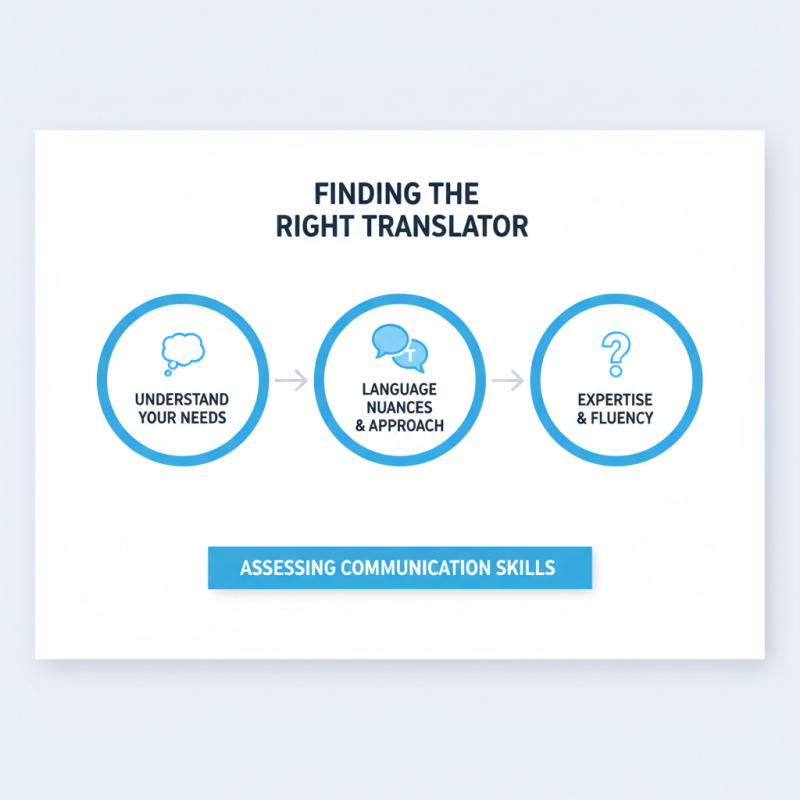
Finding the right translator can be challenging. A real translator understands not only the language but also the culture behind it. This depth of knowledge is essential for accurate and meaningful communication.
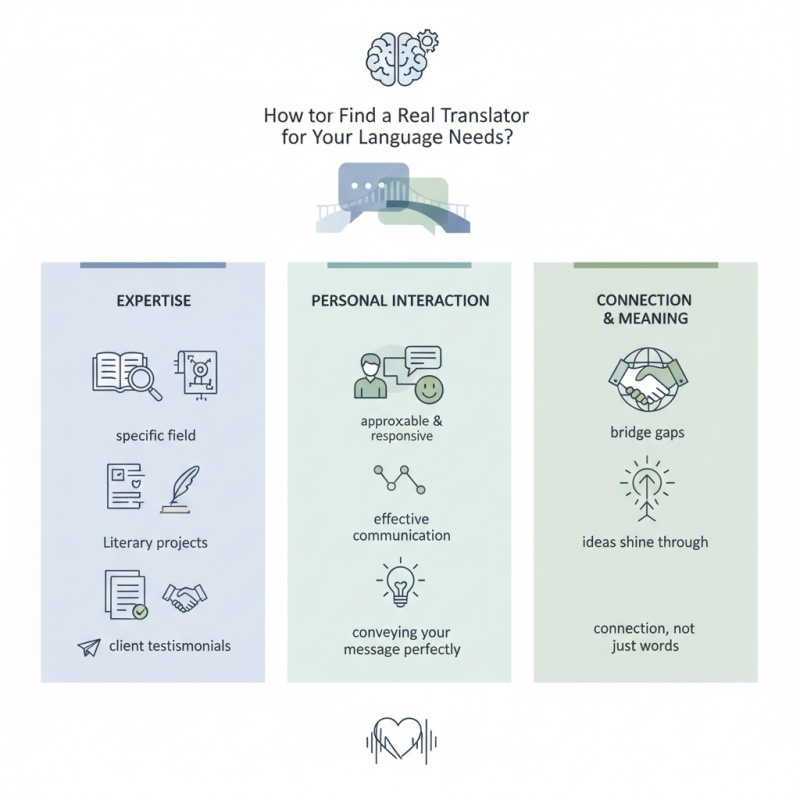
When seeking a real translator, consider their expertise in your specific field. A technical translator may not be suited for literary projects. Look for relevant experience and client testimonials. Ask for samples of their work. It helps to see their style and accuracy firsthand.
Many people overlook the importance of personal interaction. A translator should be approachable and responsive. Effective communication with your translator leads to a smoother process. Remember, the goal is not just translation, but also conveying your message perfectly. A real translator helps bridge gaps and ensures your ideas shine through. It's about connection, not just words.
Identifying Your Specific Language Translation Requirements
Identifying your specific language translation requirements is crucial for effective communication. Begin by evaluating the purpose of your translation. Are you translating a legal document, a marketing brochure, or perhaps a medical record? Each type requires a different approach. Legal texts demand precision, while marketing materials often need creativity. Be clear about your needs.
Consider your audience too. Who will read the translation? Different audiences may require different tones and levels of formality. For instance, a document for a casual audience might use simpler language. On the other hand, technical subjects need specific jargon that only experts might understand. Reflect on who will consume the translation.
Then, think about the languages involved. Are there dialects or regional variations to consider? This aspect can impact the translation's effectiveness. Sometimes, a translator may excel in one dialect but struggle with another. Therefore, choosing someone familiar with such nuances is essential. Lastly, remember that not all translators are equal. Their expertise varies widely, so a thorough screening process is necessary.
Evaluating Qualifications and Experience of Potential Translators
Choosing the right translator can be tricky. Evaluating their qualifications and experience is vital. A 2021 survey by The American Translators Association found that 60% of clients prioritize professional certification. Credentials can indicate skill, but not all certified translators excel at every type of translation.
Experience matters too. A translator with five years in the field can be more effective than a novice, regardless of certification. Many experienced translators have honed their abilities through ongoing projects and feedback. They understand subtleties in language that can make or break a translation. A report from Common Sense Advisory revealed that 75% of clients find industry-specific experience crucial.
Consider asking for work samples. This allows for a better assessment of their style and accuracy. Communication is also essential. A translator who is open to discussions can clarify project specifics, leading to better outcomes. Reflect on feedback from previous clients as well. It sheds light on reliability and quality.
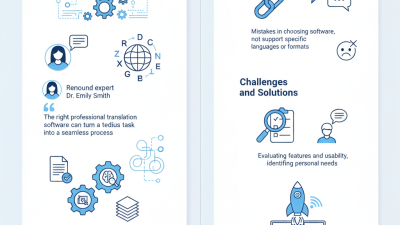
Evaluating Potential Translators: Qualifications and Experience
Researching Translator Reviews and Recommendations
Finding a real translator can be challenging. Researching translator reviews is essential. A recent survey revealed that 66% of clients prioritize word-of-mouth recommendations. Many rely on online reviews. However, not all reviews are trustworthy. Some can be biased or paid for.
When evaluating a translator, consider platforms that aggregate reviews. Look for ratings across multiple sites. A single positive review may not tell the whole story. Verify translators' credentials. Research their experience in your specific field. Translation is not just about language fluency; it also requires specialized knowledge. According to industry data, 81% of clients believe that subject matter expertise is as important as language skills.
Pay attention to feedback about communication. Some reviews highlight delayed responses or poor client interaction. It’s crucial to work with a translator who values collaboration. Transparency is key. If a translator cannot provide clear insights into their process, think twice. Clients often share experiences, detailing what worked and what didn’t. This insight can guide you in making an informed choice. Look for both positive and negative feedback to get the complete picture.
How to Find a Real Translator for Your Language Needs?
| Language Pair |
Translator Experience (Years) |
Specialization |
Average Rating |
Recommendation Sources |
| English to Spanish |
5 |
Legal, Medical |
4.8 |
Client Referrals, Online Reviews |
| French to English |
8 |
Literary, Technical |
4.6 |
Industry Associations, Reviews |
| German to Chinese |
3 |
Finance, Marketing |
4.7 |
Word of Mouth, Social Media |
| Italian to English |
6 |
Tourism, Culinary |
4.9 |
Online Platforms, Client Reviews |
| Japanese to English |
10 |
Technology, Gaming |
5.0 |
Professional Networks, Recommendations |
Understanding Pricing Structures and Contract Terms in Translation Services
When seeking translation services, understanding pricing structures is essential. Pricing can be complicated. Rates may vary based on language pairs, project type, and complexity. Some translators charge per word, while others may use hourly rates. Be clear on what pricing method your translator uses.
Contracts are another key aspect. They should be transparent and detailed. Contracts often outline timelines, payment schedules, and revisions. A good contract protects both parties. It’s crucial to read every term. Look out for clauses on additional fees. Be cautious with any vague language in the agreement.
Tips:
Assess your specific needs first. This'll help you convey what you seek. Being specific can save time and money. Always clarify if quotes include all associated fees. Budgeting accurately will prevent surprises. Lastly, ensure you understand the revision policy. This can impact your project’s outcome significantly.