Top Localization Translation Strategies for Global Success?
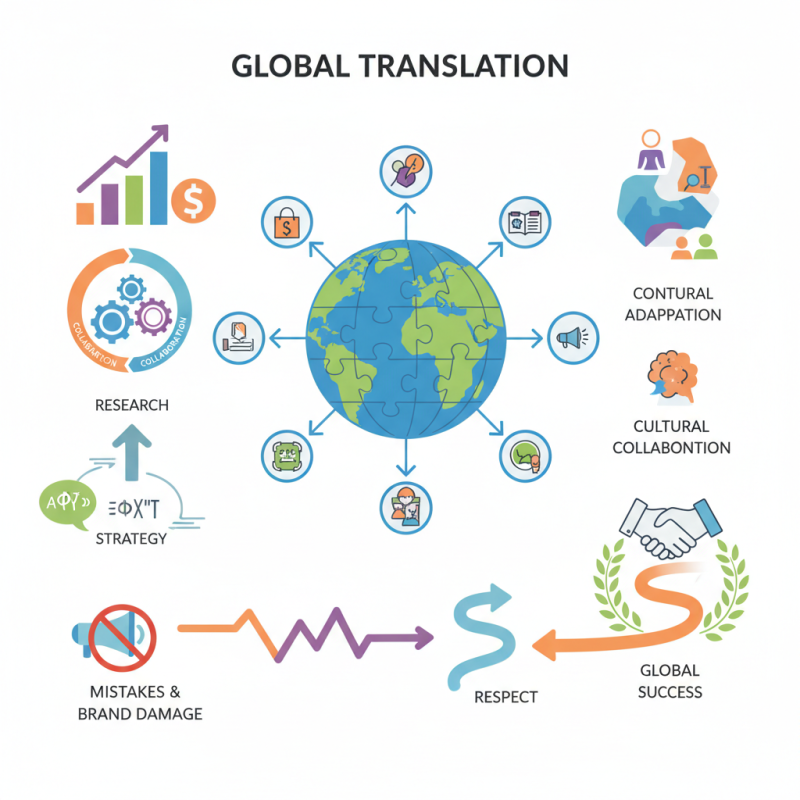
In an increasingly interconnected world, the importance of localization translation cannot be overstated. According to the 2021 Global Localization Market Report, the localization industry is projected to reach over $50 billion by 2026. Companies that effectively implement localization strategies often see a significant boost in market penetration and customer engagement. For example, brands that translate their content into the local language can increase their customer base by 25% or more.
Localization translation goes beyond mere words; it involves cultural adaptation and contextual relevance. A study by Common Sense Advisory revealed that 75% of consumers prefer to purchase products in their native language. However, many organizations still overlook regional nuances, risking miscommunication. This gap highlights the need for improved strategies in localization translation.
Mistakes in localization can lead to brand damage and loss of credibility. For instance, several global brands have faced backlash due to failed attempts at culturally sensitive marketing. A deeper understanding of localized preferences can prevent these pitfalls. Companies must prioritize research and collaboration with local experts to create effective strategies. The path to global success lies in the commitment to mastering localization translation, reflecting a brand's respect for diverse cultures and languages.
Understanding the Importance of Localization in Global Markets
Localization is essential for businesses aiming to thrive in global markets. It transcends mere translation of text. The nuances of culture, customs, and preferences play a crucial role. A website may look great in one language but feel flat in another. Colors, symbols, and even humor can differ in significance across cultures.
Understanding local contexts is critical. For example, a specific phrase or image may resonate well in one region but could be offensive elsewhere. Businesses must research and reflect on these aspects deeply. This process isn’t just about converting words; it’s about connecting meaningfully with diverse audiences.
The journey of localization is often challenging. Mistakes can lead to misunderstandings, and missed opportunities arise from inadequate research. Continuous learning and adaptation are necessary. An eye for detail and a willingness to refine strategies remain vital. Embracing localization means committing to understand the heartbeat of different cultures.
Key Localization Strategies for Effective Communication Across Cultures
Effective communication across cultures requires tailored localization strategies. One key approach is
understanding cultural nuances. This includes language, symbols, and values that vary widely. A phrase that works perfectly in one culture
may offend in another. It’s crucial to research thoroughly before making translation decisions.
Another important strategy is the adaptation of content. This goes beyond mere translation. It involves adjusting visuals, colors, and even
the overall tone to resonate with the target audience. For example, humor can be context-sensitive. What seems funny in one culture can
fall flat elsewhere. Engaging local experts can help navigate these complexities.
Testing is essential after localization. Gathering feedback from native speakers can reveal unexplored areas. Sometimes, what seems perfect
in draft might need revisiting. Embracing this iterative process is vital for success. Localization is not a one-size-fits-all process.
It’s an evolving practice that requires continuous reflection and adjustment.
Best Practices for Enhancing Translation Quality in Localization Projects
Localization is crucial for businesses aiming for global success. To enhance translation quality, it's important to follow best practices. A deep understanding of the target culture can significantly impact the effectiveness of the translation. Translators must not only translate words but also convey meaning and context.
**Tip:** Always engage native speakers in the process. They offer valuable insights into local nuances. Their expertise helps avoid misinterpretations that could arise from a lack of cultural context. For example, humor can vary greatly between cultures. What is funny in one language may be offensive in another.
Reviewing the translated content is equally important. Relying solely on software can lead to errors. While technology aids the process, it lacks the emotional intelligence of a human touch. Human reviewers catch subtleties that algorithms might miss.
**Tip:** Implement a feedback loop with local teams. Their input can refine and improve the quality of translations. Sometimes, the smallest details matter the most. They can make a significant difference in how the translation resonates with the audience. It’s essential to embrace imperfections and learn from them. Adaptation is key to mastering localization.
Top Localization Translation Strategies for Global Success
| Strategy |
Description |
Benefits |
Best Practices |
| Cultural Adaptation |
Tailoring content to resonate with local culture and norms. |
Increased engagement and relevance to target audiences. |
Conducting thorough cultural research. |
| Use of Technology |
Leveraging translation management systems and AI tools for efficiency. |
Faster turnaround time and reduced costs. |
Choosing the right tools according to project needs. |
| Professional Translators |
Hiring native speakers with industry expertise for translations. |
Higher quality translations and accuracy. |
Verifying qualifications and experience of translators. |
| Iterative Review Process |
Implementing multiple rounds of review for translation accuracy. |
Minimized errors and improved end product quality. |
Involving stakeholders in the review stages. |
| Feedback Mechanism |
Establishing channels for user feedback on translations. |
Enhanced adaptation and quality through user insights. |
Regularly updating translations based on feedback. |
Leveraging Technology and Tools in Localization Strategy Development
In today's globalized world, localization is more crucial than ever. Effective localization goes beyond mere translation. It requires a deep understanding of cultural nuances and preferences. Technology plays a vital role in this process. Tools like translation memory and glossaries streamline the workflow. They help maintain consistency across platforms. However, relying solely on technology can lead to oversights. Human expertise is still essential.
AI-driven language processing tools offer remarkable efficiencies. Yet, they can sometimes misinterpret context. Cultural references may go unnoticed. Relying on technology without proper checks can produce awkward translations. It's essential to balance automation with human insight. Incorporating feedback from native speakers ensures the accuracy of translations. This approach can enhance the localization strategy significantly.
Engaging with localization teams is important. Collaboration fosters a deeper understanding of the target market. Investing time in research can yield better results. Remember, localization isn’t just about translating words; it’s about resonating with the audience. When tech and human creativity blend, true connections form.
Top Localization Translation Strategies for Global Success